
Noticing extra hair on your brush, pillow or shower floor can feel unsettling, especially when you’re already adjusting to life with a newborn. In most cases, postpartum hair loss is a temporary change in the hair-growth cycle, not a sign that you’re going permanently bald.
Here’s what’s happening, what can help, and when it’s worth checking in with your GP.
What causes postpartum hair loss?
During pregnancy, higher oestrogen levels keep more hairs in the growth phase for longer. After birth, hormone levels shift, and more hairs move into the resting phase, known as telogen. A few months later, those hairs shed.
This temporary, diffuse shedding is called telogen effluvium. It can make your hair look thinner all over, or make your parting seem wider. The change may look dramatic, but the follicles are usually still able to grow new hair.
A questionnaire study of 304 women who reported postpartum hair loss found that shedding began, on average, around three months after birth, peaked at about five months, and ended around eight months. Individual experiences vary, but the findings fit the common pattern of shedding that becomes most noticeable around 3–6 months postpartum. (Study in the International Journal of Women’s Dermatology)

How long does it last?
For many people, the heavy shedding eases over the following months. New growth can take time to become noticeable, and regaining fuller-looking hair is gradual. Hair often starts to return towards its previous fullness within 6–12 months after birth, though the pace differs from person to person.
A 2023 study reported average shedding that lasted until about eight months postpartum. The American Academy of Dermatology says most women regain their normal fullness by their baby’s first birthday.
The important distinction: typical postpartum shedding is usually spread across the scalp and gradually improves. It should not keep getting worse indefinitely.
What actually helps while you wait?
There is no proven quick fix for ordinary postpartum telogen effluvium. The hair cycle needs time to reset. But a few practical steps can help reduce breakage and make your hair feel easier to manage.
- Handle hair gently. Use a wide-tooth comb, especially on wet hair. Avoid tight ponytails or braids that pull on the roots.
- Turn down the heat. Frequent high-heat styling and harsh chemical treatments can add damage and breakage.
- Choose lighter styling products. Volumising shampoo or a lighter conditioner may make fine hair look fuller. These change how hair appears; they don’t stop the hair-cycle shift.
- Eat regularly and aim for a balanced diet. Protein and iron are important nutrients, alongside a varied mix of fruit and vegetables. If meals are hard to manage while caring for a newborn, small, practical options still count.

Nutrition matters. Megadoses aren’t the answer.
Pregnancy, birth and recovery can all place demands on your body. If you’re concerned about a possible deficiency, talk to your GP or healthcare professional. They can advise whether tests, such as iron or thyroid checks, are appropriate and whether you need treatment.
Hair loss supplements are not a guaranteed shortcut. If you don’t have a nutrient deficiency, taking extra vitamins or minerals may not speed regrowth. Avoid high-dose iron or “hair” formulas without professional advice. In particular, high-dose biotin can interfere with some laboratory test results, so tell your healthcare professional if you take it.
A postnatal or breastfeeding multivitamin may be appropriate for some people, but check what’s right for you. If you’re breastfeeding, speak with a healthcare professional before taking any supplement. “Natural” does not automatically mean suitable during breastfeeding.
Breastfeeding and shedding: what to know
Breastfeeding can affect hormones, but a finding that breastfeeding duration is associated with postpartum shedding does not prove that breastfeeding causes it. The study reported above was questionnaire-based and observational; it cannot establish cause and effect.
You do not need to stop breastfeeding because your hair is shedding. If you’re worried about your nutrition, energy levels or hair loss, speak with a healthcare professional. You deserve support that considers both your wellbeing and your feeding choices.
When is it more than typical postpartum shedding?
Consider contacting your GP if:
- Hair loss continues beyond 12 months postpartum, or keeps worsening rather than easing.
- You notice distinct bald patches rather than general shedding.
- Your scalp is sore, itchy, inflamed, scaly or unusually sensitive.
- You also have symptoms such as marked fatigue, dizziness, palpitations, feeling unusually cold or hot, or unexplained weight changes.
These signs don’t tell you what the cause is, but they are good reasons to get checked. Iron deficiency and thyroid problems, including thyroid changes that can happen after pregnancy, may need assessment. Your GP can examine your scalp and decide whether blood tests or a referral are appropriate.
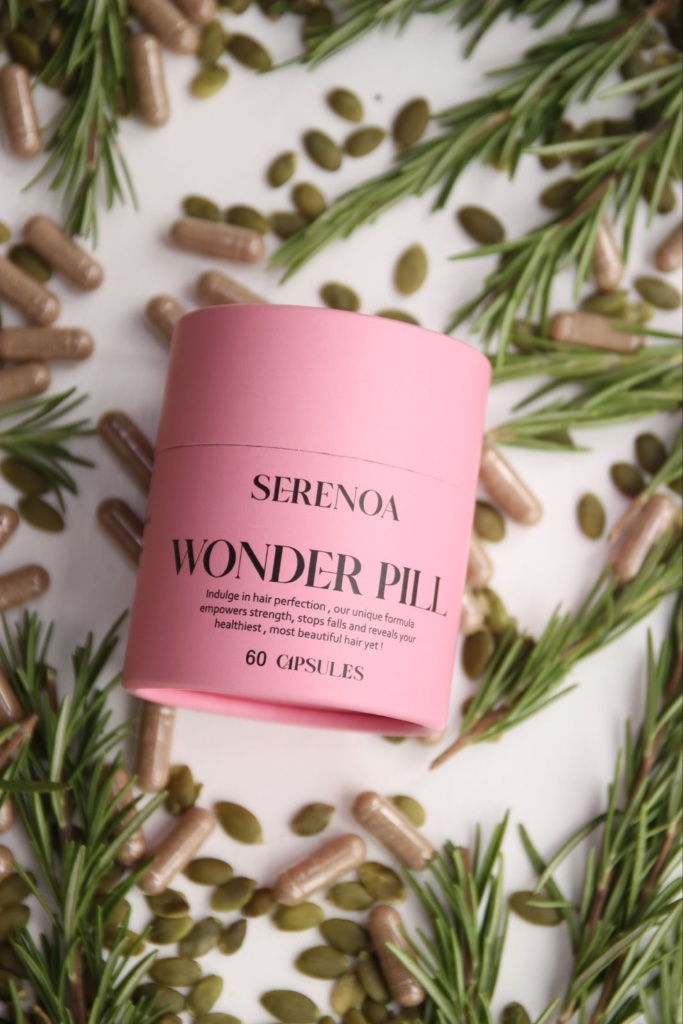
Where does Wonder Pill fit?
Wonder Pill is a plant-based supplement from Serenoa Health, made with 400 mg saw palmetto, 150 mg pumpkin seed and 100 mg rosemary per capsule. It is vegan, contains no binders or fillers, and is hand-filled in Scotland. See the product details.
It is not a proven treatment for postpartum telogen effluvium, and it should not be presented as a way to stop normal postpartum shedding or guarantee regrowth. Its ingredients are associated with hormone-related pathways, so context matters. Wonder Pill is only an option for women who are not pregnant or breastfeeding. If you’re breastfeeding, check with a healthcare professional before taking any supplement.
If you’re considering a natural hair loss treatment, start with the cause, not just the label. For postpartum shedding, that usually means patience, gentle hair care and checking for an underlying issue if the pattern is unusual or persistent.
A simple plan for now
1. Notice the pattern. Diffuse shedding a few months after birth often fits the usual timeline.
2. Support your recovery. Eat as regularly and varied a diet as you can, and treat your hair gently.
3. Get advice when something doesn’t fit. Patches, scalp symptoms, other health concerns or persistent loss deserve a conversation with your GP.
You’re not doing anything wrong. Postpartum hair loss can be upsetting, but for many new mums it is temporary, and support is available if your experience falls outside the usual pattern.